



Kiwi
-
Posts
11,177 -
Joined
-
Last visited
-
Days Won
5
Content Type
Profiles
Forums
Events
Shop
Articles
Everything posted by Kiwi
-

What happens when 2 female bass chatters meet for a coffee......
Kiwi replied to SpaceChick's topic in General Discussion
LOL Girl power! This kind of spontaneity what the forum is all about. -
Thanks everyone, keep it coming. I wondered whether people were simply fed up with how the recession has carried on and on and on. Just when things take a turn for the better, something happens in Europe. OT does have a request in it about politics etc. we've tended to let those threads run unless insults get exchanged. This was basically in the interests of letting other kinds of discussions happen so people can get to know each other a bit better.
-
In the last 4 weeks or so, I've noticed more contentious topics being posted and more threads getting locked. If this was a workplace, I'd suggest morale was down. What's going on out there in Basschat land, eh? Can anyone shed any light? What's happened to the daftness that used to permeate this place? Talk to us, people.
-
And shop owners wonder why people buy online!
Kiwi replied to silentbob's topic in General Discussion
I'm having to address this as part of recovery planning at work. Turning down sales because they're more hassle that they're worth is about as sensible as slashing government budgets to the bare minimum and ignoring the potential income from enhanced exports. Gone are the days when retailers could be lazy and rely on a constant, minimum stream of customers to support the overheads. Now, every customer has to be fought for now. Particularly for tech because purchasing decisions are made differently compared to something customers need to try before they buy, like basses. There are alternative business models but they're a little bit more complex and sophisticated. Retailers have a choice - adapt or close. -
Are you using the image uploader? If so, the images will appear as clickable thumbnails.
-
Buckeye Burl Yann 5 strings NT + Yann bass handmade 100%
Kiwi replied to Bassmachine's topic in Bass Guitars
Nice looking instrument Yanni and Stavros. I've never seen a bass made with teak. How would you describe it in comparison to better known woods? -
Sorry I jumped the gun... let me introduce myself..
Kiwi replied to Bass-Thing's topic in Introductions
A number of us have had the pleasure of playing Herbie's bass. Lovely bloke and a true gent, he even bought me a pint! Welcome to the forum. -
Its possible we were under attack last night. We also had a number of no-name accounts registered at the same time. The cloud message is the security service we started using last month. If the site is under attack the forum may go offline briefly while the service learns what is going on and restores the forum.
-
Mazda EC833's in the preamp section normally Nick. KT77's in the power amp section.
-
Freemasons. Always liked them but am in need of uplifting music while I continue ploughing through document edits. [url="http://grooveshark.com/s/Love+Don+t+Live+Here+Anymore/32Lrxl?src=5"]http://grooveshark.com/s/Love+Don+t+Live+Here+Anymore/32Lrxl?src=5[/url] [url="http://grooveshark.com/s/Rain+Down+Love/32LmUt?src=5"]http://grooveshark.com/s/Rain+Down+Love/32LmUt?src=5[/url]
-
A lot of it depends on what waveforms you need. Most bass synth sounds are based on square or saw wave forms. Synth pedals will cover one or both of these. Then the rest of it depends on whether patches you like a pre programmed or whether you have the option of tweaking. I've been lobbying Eventide to release a bass synth pedal that uses the tech in their Pitchfactor pedal but without the irrelevant stuff. The tracking is as good as the Deep Impact. But so much potential.
-
Ooh, don't stand on formality. Goodness knows I'm isolated enough here as it is.
-
Let me know if you make it over. I'll be the one dressed like Elvis...in stormtrooper armour
-
I'm going to see Flight of the Conchords on the 26th of June. Not expecting to see many BCer's...
-
site has crashed.
-
I held the cat over strings on my bass once and it made a similar noise.
-
Can't help unfortunately. But I have a few of my instruments microchipped. Yes, in an identical way to pets. That way if (god forbid) I have anything stolen I'll at least be able to remove all doubt that its mine.
-
Deconstructing the groove - With Scott Devine
Kiwi replied to devinebass's topic in Theory and Technique
I'm scared Scott. I'm scared that deconstructing the groove will be like statistical analysis of humour. Any advice? -
I've always wondered what happened to the graphite necked Ritter with a soft velvety fabric covering that was advertised on here many many years ago. Would have been a bargain compared to prices now.
-
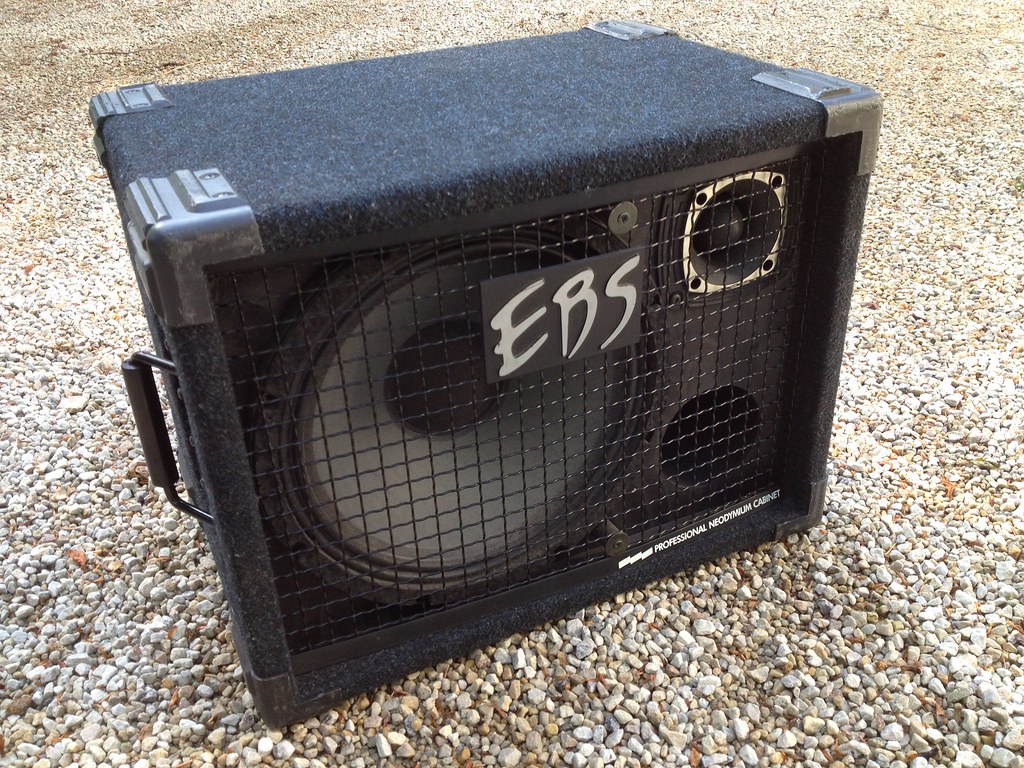 ooh...but no, I will be building my own wedges first.
 -
The pot locations match, the pickups match. There's an additional bit of scratch plate and clearly its routed for another pickup. Why look further?
-
Looks like a heavily modified Fender Precision Elite II to me.
-
Starting to regret not registering basschap.co.uk...
-
[quote name='Prosebass' timestamp='1339929156' post='1696308'] Saw him last night at the Manchester Deaf Institute, superb. [/quote] I have an image in my head of Black and Gold but with no sound...lol
-
I emailed Mr Agnew about the possibility of a super champ inspired combo. This was his reply: [i]"Not as of yet ! I was hoping to start doing something along those lines but it going to be well over 12months before we can look at it more seriously...[/i] [i]...check back again sometime later next year when I hope to be putting out a rivera era' fender oriented type amp... "[/i]
