


Sparky Mark
-
Posts
1,983 -
Joined
-
Last visited
-
Days Won
1
Content Type
Profiles
Forums
Events
Shop
Articles
Posts posted by Sparky Mark
-
-
7 minutes ago, AinsleyWalker said:
That's an interesting Stingray! Pickups look like 5 string design

The Sterling Ball video linked above explains why that design came about. Although it looks like a modern 5 string version it's very different with the much longer alnico pole pieces used in pre EB Stingrays.
-
 1
1
-
-
7 hours ago, biro said:
Thank you very much for your interest, folks. The cases are now SOLD.
Add SOLD to the title of your original post. That will close the thread.
-
1
-
-
Did you mean to upload thumbnail images? Definition is too low to see sufficient detail.
-
Ed sold me a gig bag for my acoustic bass for a great price including fast delivery. Highly recommended Basschatter.
Thank you Ed.
-
 1
1
-
-
1 hour ago, Stub Mandrel said:
What was the year you bought it?
Wapping closed early 2003, so before that. Plus inner London phone numbers went from 01 to 071 in 1990.
-
8 hours ago, Paul S said:
And English isn't even Nicco's first language. We should all read and learn how to use Chat GPT.
Corrected for you.

-
1
-
-
In general I am not a fan of passive tone stacks, much prefering active EQ sections. However, similar to the AD200, the TB sounds so good at close to flat settings, the EQ can stay where it is almost all the time.
-
2
-
-
I also wonder if the Orange 500 watt class D is perhaps under specified and delivers more than some other amps advertised as 500 watts? It wouldn't surprise me as Orange designed this unit specifically for bass amps.
-
1 minute ago, BassAdder60 said:
Just been confirmed that the LBT and the Terror v2 share the same output stage. Both equally loud amps for 500w heads
I was unsure because the LBT looks much smaller in photos.
-
I wonder if the 500 watt class D power amps are the same in these two heads? The Terror Bass v2 is Orange proprietary design using through hole ( i.e., no SMT) technology. I was surprised to see that when I opened mine (top photo), but it may make repairs slightly easier for techs without SMT capabilities.
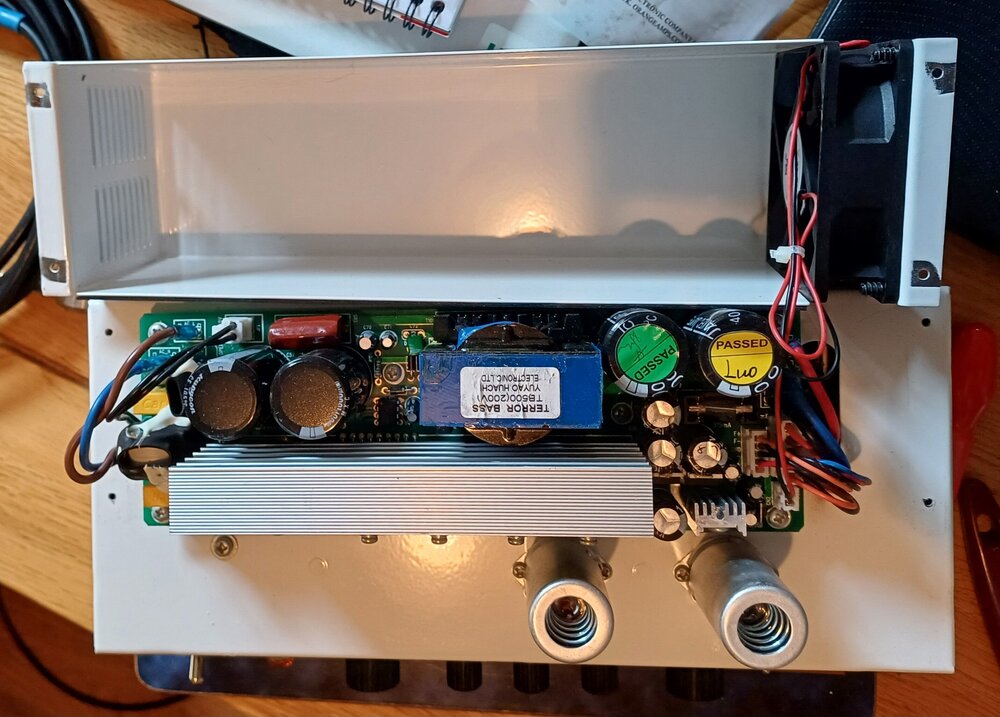
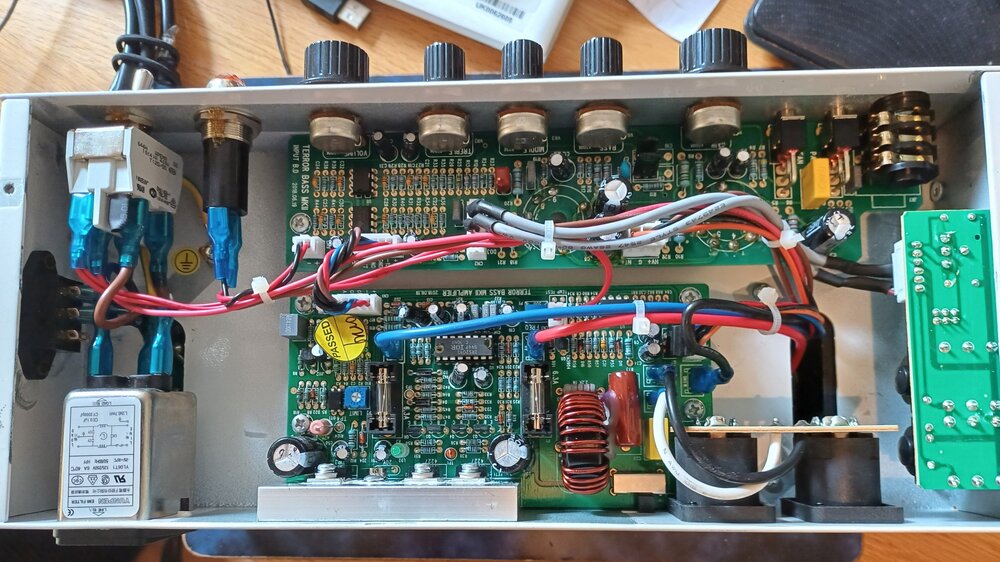
-
2
-
-
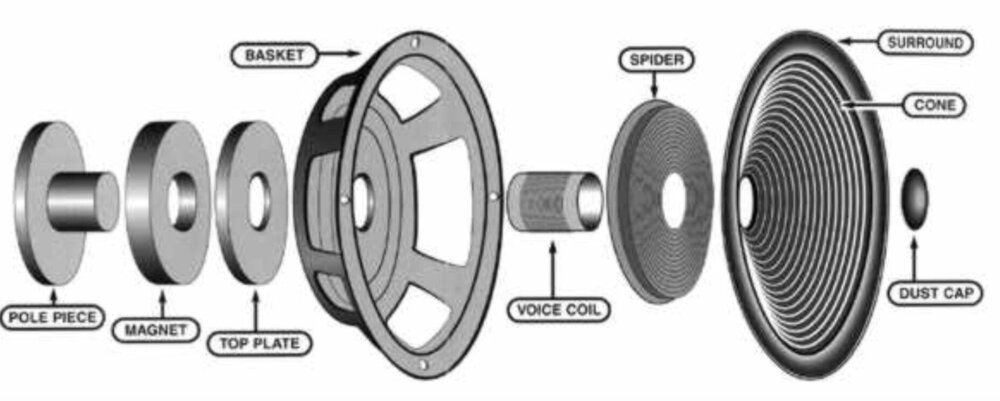
I'd remove the front grill and very gently and evenly push the cone inwards a few mm. If you feel/hear it scraping then the voice coil is likely damaged. You can also look more easily for tears in the cone and surround.
Removing the driver from the combo will allow you to see the Turbosound part number on its rear label.
Replacing the driver is a very simple job.
-
1
-
-
6 minutes ago, biro said:
Ah – entirely fair.
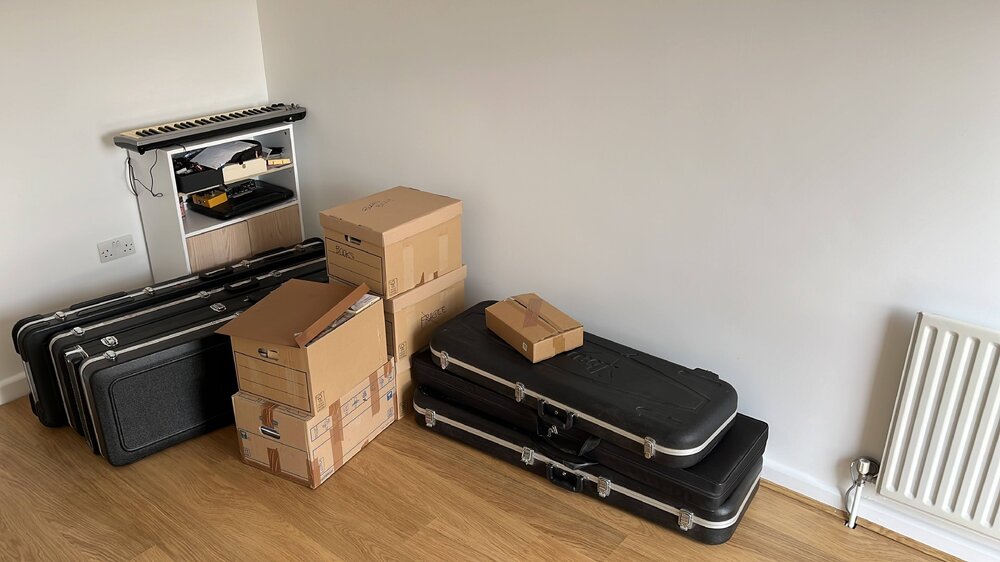
You are, of course, correct. A picture is worth a thousand words. And words, however dutiful, can only gesture toward polymer and plush. So here they are in their natural habitat: mid-migration, flanked by their more extroverted cousins, maintaining their usual rectangular composure while the rest of life rearranges itself around them.
Observe the setting: cardboard parapets, straps in mild disarray, the faint atmosphere of transition. And there they stand. Unperturbed. Rectangular. Matte. Emotionally stable.
They are not staged beneath flattering studio lights. No velvet backdrops. No strategic houseplants. No attempts at seduction through lens flare. Documentary realism, bass-case vérité.
You will notice something immediately: they do not compete for attention. They are above leaning theatrically, or mimic rock-and-roll excess. They simply exist with a certain utilitarian dignity. Their surfaces are clean. Their edges remain honest. The latches, though unphotographed in close-up here, retain the satisfying, almost municipal authority of well-made hardware.
And yes, they are pictured among other cases. They have lived in the company of instruments. They have known wood and wire, and they discriminate against neither fellow ABS items nor wood and tweed.
The attached images, however, should be understood as archival material. They date from their most recent documented journey (a house move of moderate logistical complexity) and captures them in situ, among fellow cases, cables, and cardboard ephemera.
The reason they are archival is simple and humbling: they currently reside at the top of a closet, elevated beyond casual reach, in that high domestic stratum reserved for objects that are both useful and not immediately required. Retrieving them would involve a ladder, minor planning, and a level of initiative which, this morning, has not prevailed. But I hasten to add that bring their current altitude to your attention, as it means that they have are not strewn across floor or languishing in a damp basement.
This reminds me that, many years ago, I purchased a bass that arrived encased not merely in plywood and plush, but in what can only be described as a self-governing biome.
At first glance, the case appeared ordinary: tidy exterior, reasonably well-kept corners, the satisfaction of a bargain. Upon opening it – gently, with anticipation – there emerged not just the scent of nitro, but a humid declaration of sovereignty. The interior lining had developed a clear topography. There were pale constellations along the seams. A soft, speculative fuzz tracing the contours of the padding. In one corner, an ambitious colony had established what I can only assume was a capital city. The plush had taken on a faintly maritime fragrance – not, mind you, the romantic salt-spray of coastal air, but the resigned dampness of a forgotten cellar in late November. There was, unmistakably, life. Microscopic, industrious, collaborative life.
I closed it.
I reopened it, hoping the ecosystem might have reconsidered its tenancy.
It had not.
What followed was a period of quarantine, ventilation, and existential reflection. The bass survived. The case did not. Ever since, I have been vigilant.
These two Thomann cases have known no such colonisation. Their interiors remain plush rather than tundra. No spores. No mycelial diplomacy. No soft, creeping frontier along the hinge line.
If a prospective buyer requires contemporary verification, I can, with sufficient notice and encouragment, attempt to summit the wardrobe. I will then gather fresh close-ups of latches and plush.
Until then, please accept this archival evidence, if not as a faithful representation of their condition, at least as a character reference.
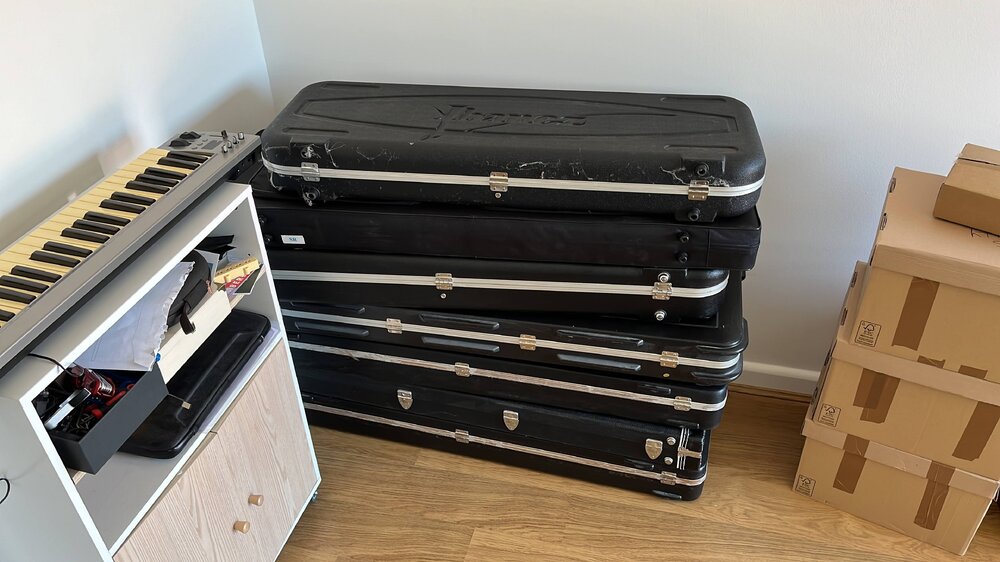
Thank you, I couldn't have said it better myself.

-
6 hours ago, therasonic450 said:
Gorgeous guitar, used to have one and always regretted selling it. Any leeway on price as I live in Somerset, so a long journey to collect?
Love to do a deal with you on this.
cheers , Geoff
Thanks Geoff,
We should probably continue this conversation via PM. I'll message you.
-
Beautiful prose, but for some reason, I'm reminded of the adage "a picture is worth a thousand words."
-
 1
1
-
-
Ed sold me a Stingray Zero Mod thumb rest which arrived safe and sound via First Class post. Excellent and trustworthy Basschatter.
-
1
-
-
57 minutes ago, sbrag said:
That looks a lot of bass for the money. GLWTS
I'll raise you; that's an insane amount of bass for the money!

-
1 hour ago, Owen said:
Ooooh! Oooooh! I love a good case. And if I could think of anything I have that would go into this.......
Sadly, I am fully cased up.
You could of course consolidate all of your smaller cases into this one easier to manage case.

-
1
-
-
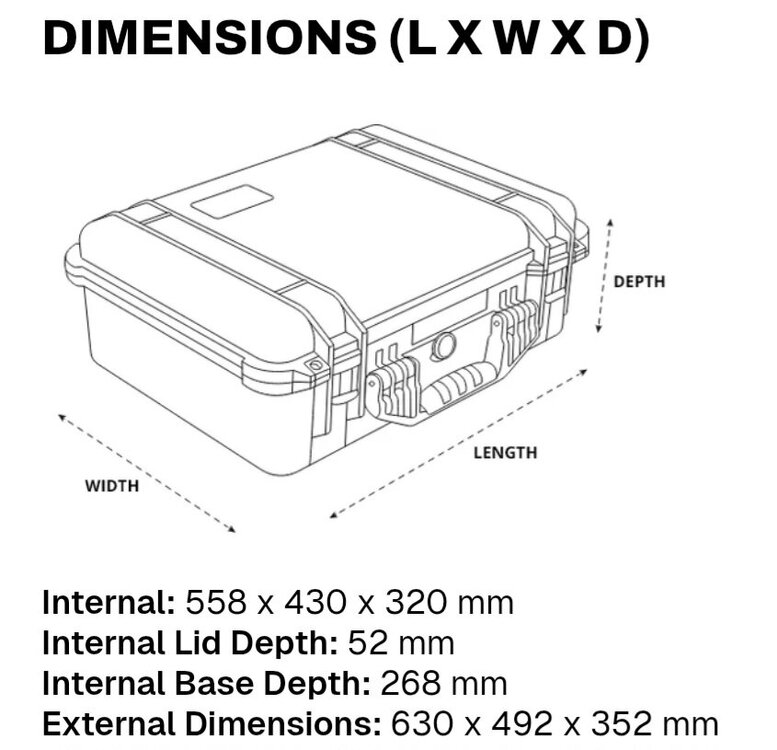
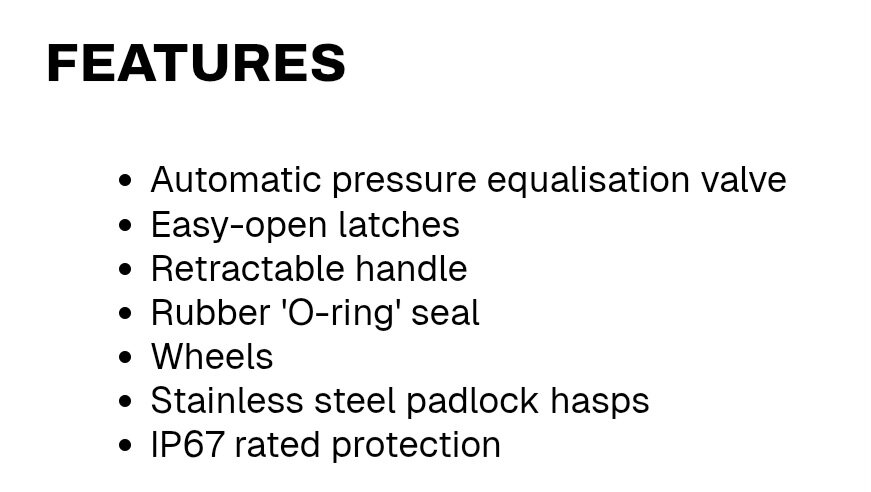
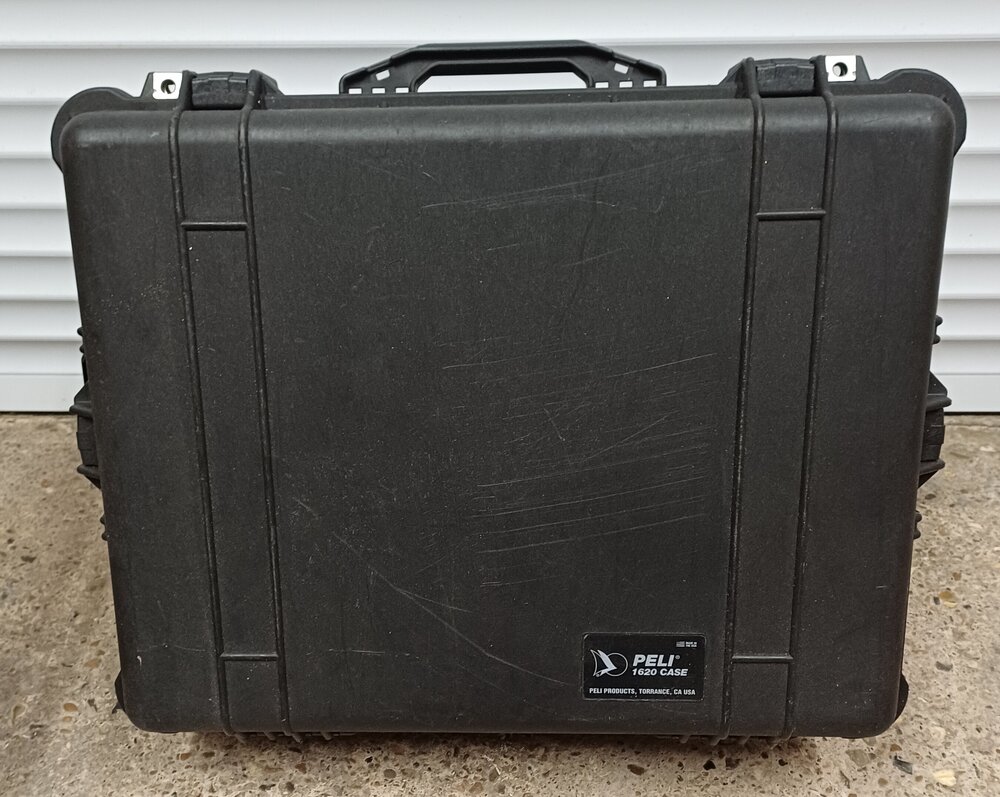
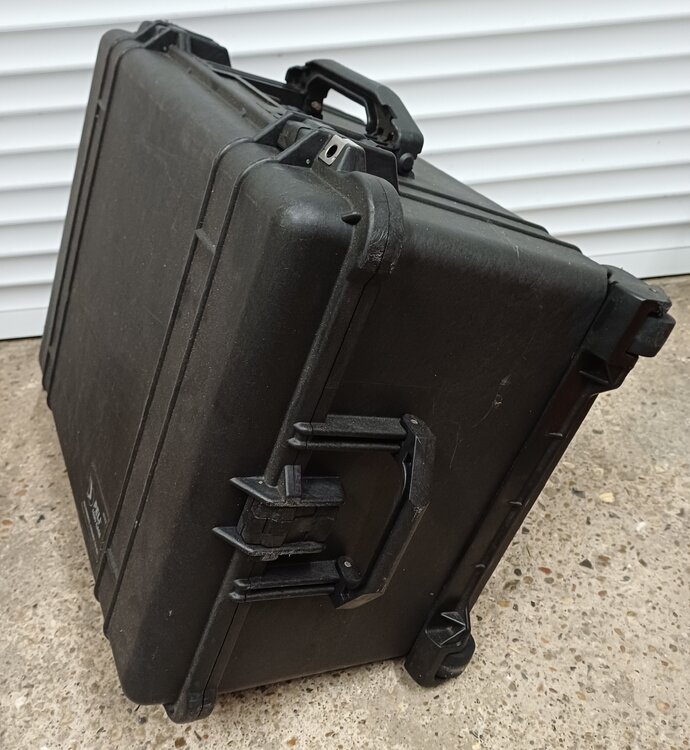
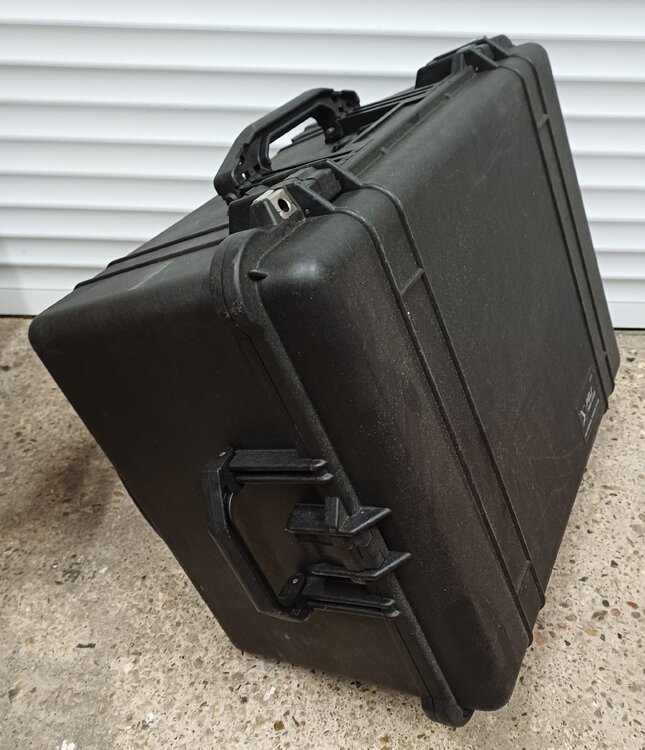
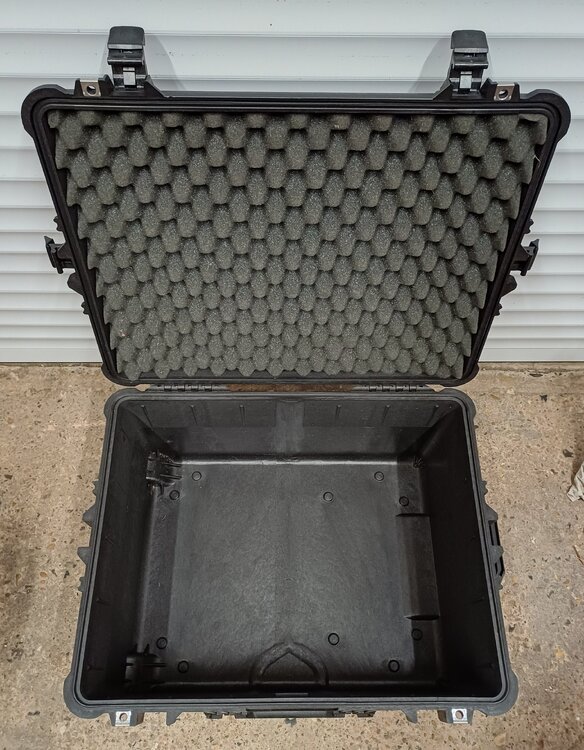
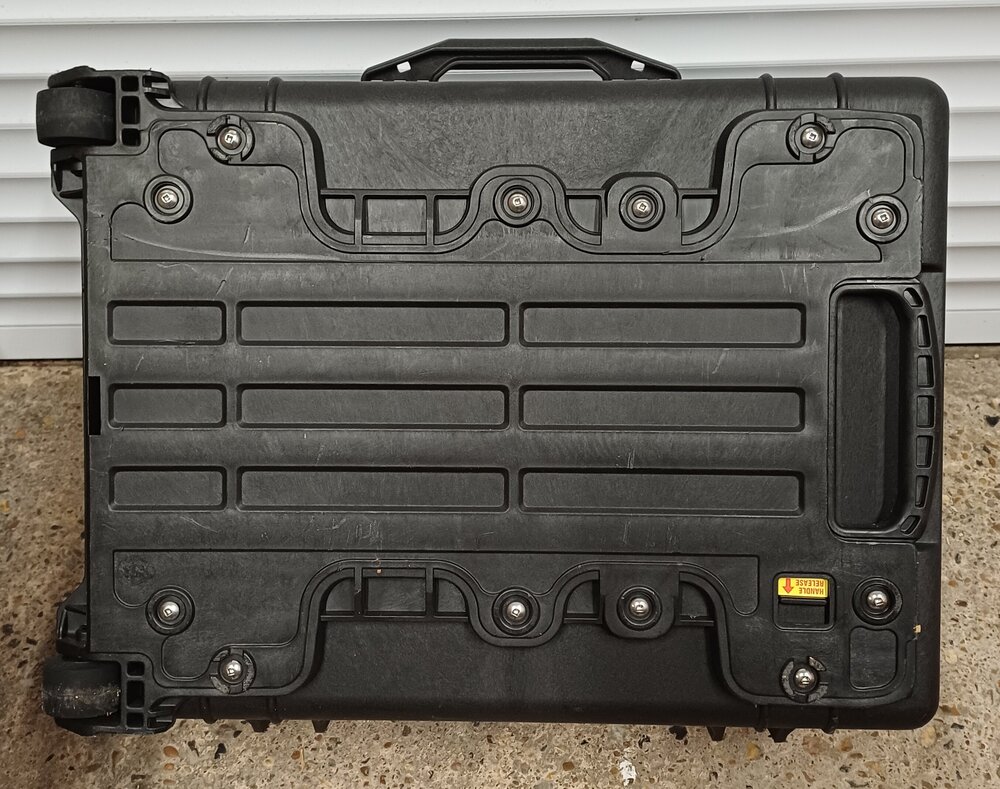
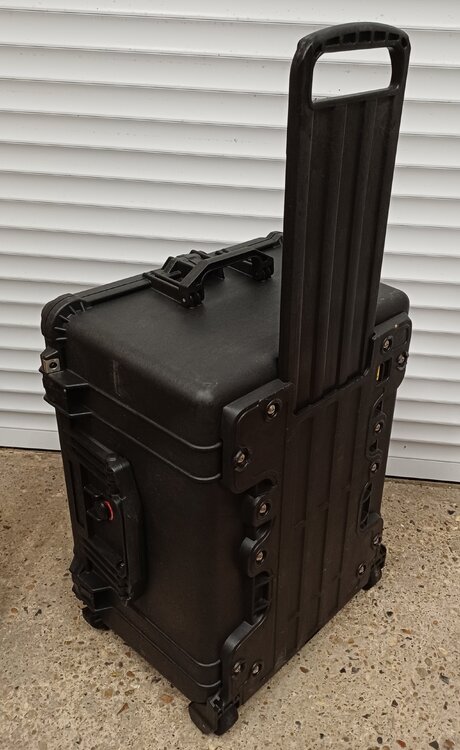
This is the ultimate ruggedized IP67 waterproof case for your gig gear. Commonly used by the defence industry to move fragile electronic equipment around the world. These cost £380+ new, so grab a bargain by collecting it from Bury St Edmunds for just £75. Thanks for looking.
Empty weight: 9kg.
-
4
-
-
-
24 minutes ago, silverfoxnik said:
I recently bought a vintage Trace head from @King Tut and though not exactly the same series as this one, I'm amazed at how good it sounds, and how much 'clout' it has to borrow your word @Sparky Mark.
Based on that, this amp must sound fantastic, especially with the matching cabinet!
As Mick said, "... gear didn't get better it just got lighter."
GLWTS 👍😊
Cheers. It's not just because I'm selling one of my Trace heads that I'm saying this, but there is a certain quality/characteristic these possess that everyone should hear to understand what the fuss is about. This particular rig is exceptional in my opinion because of its relative low weight and silent (no fan) operation.
*I wrote "clout" as I believe "heft" has been banned.
-
1
-
1
-
-
Did you mean to attach the Sushi Box transaction details?
-
1
-
-
On 25/10/2025 at 20:30, Sean said:
Carterton tonight. Go big or go home.
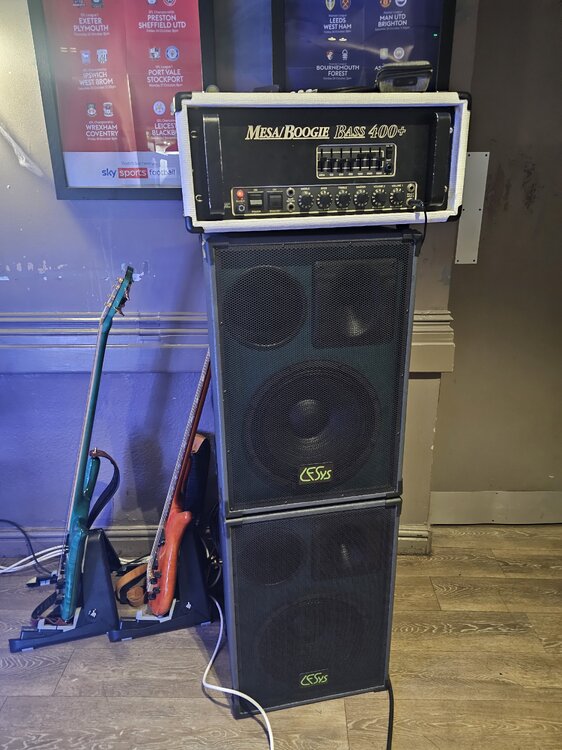
Have you ever used your cabs on their sides to avoid the overhang with your 400+? (I realise LFSys recommends rotating the horn for ultimate performance)
-
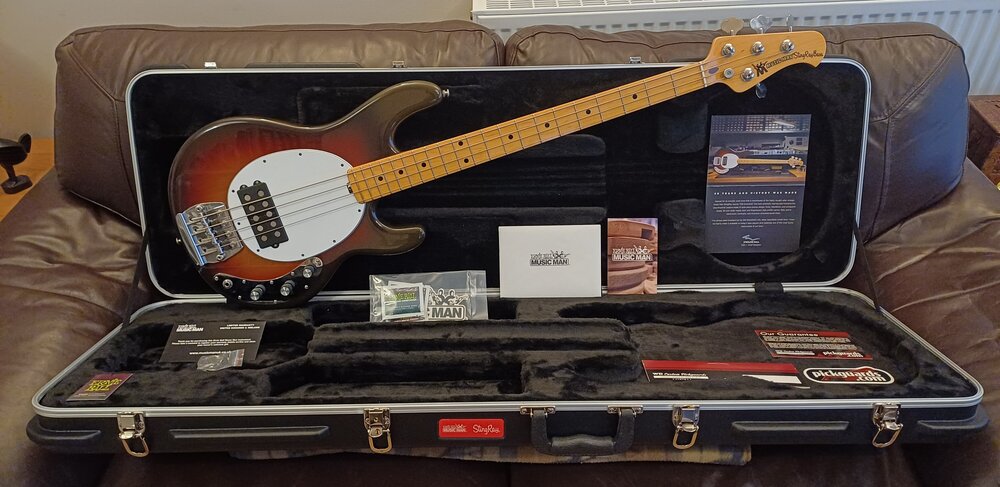
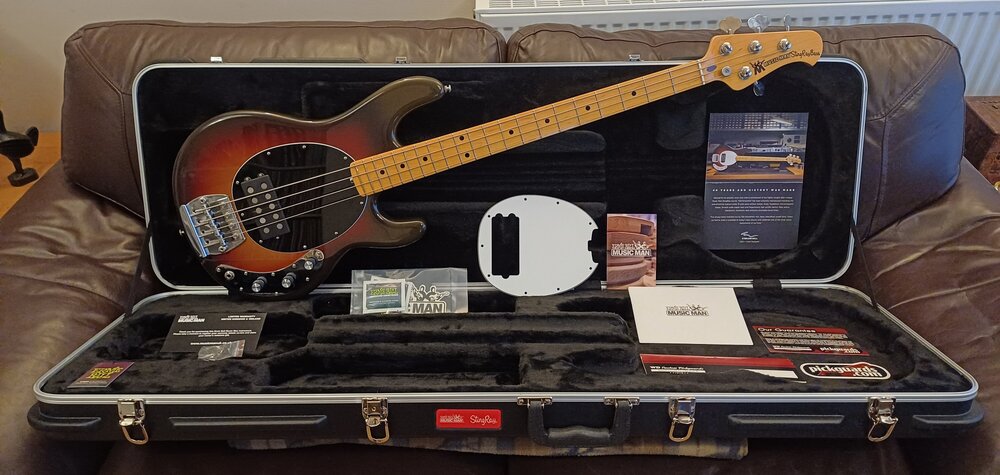
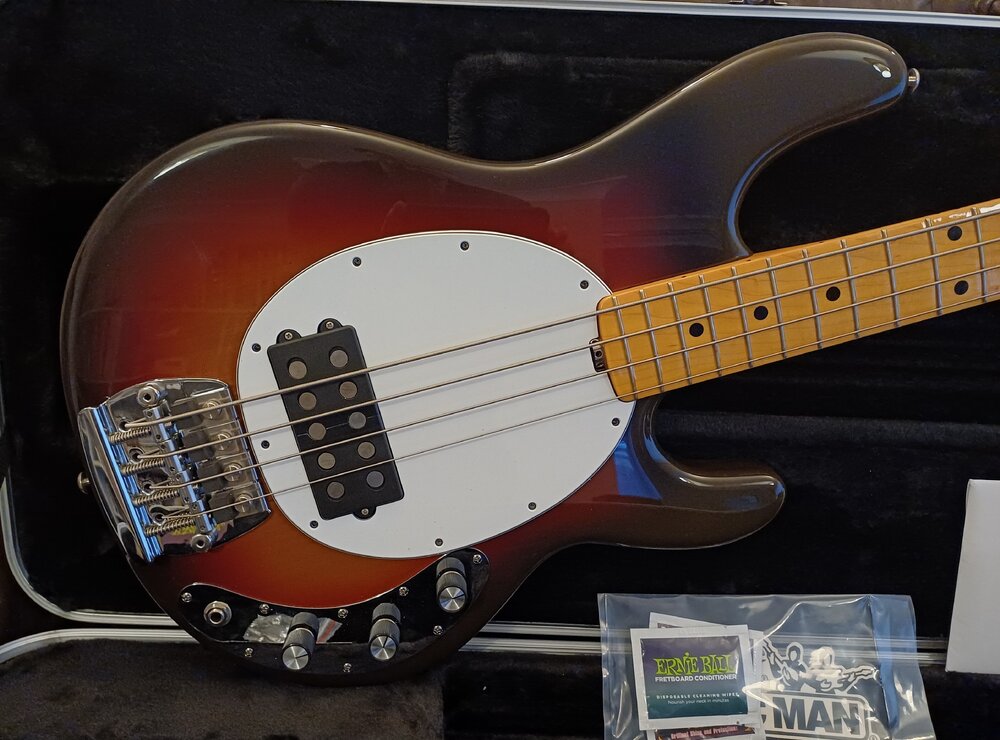
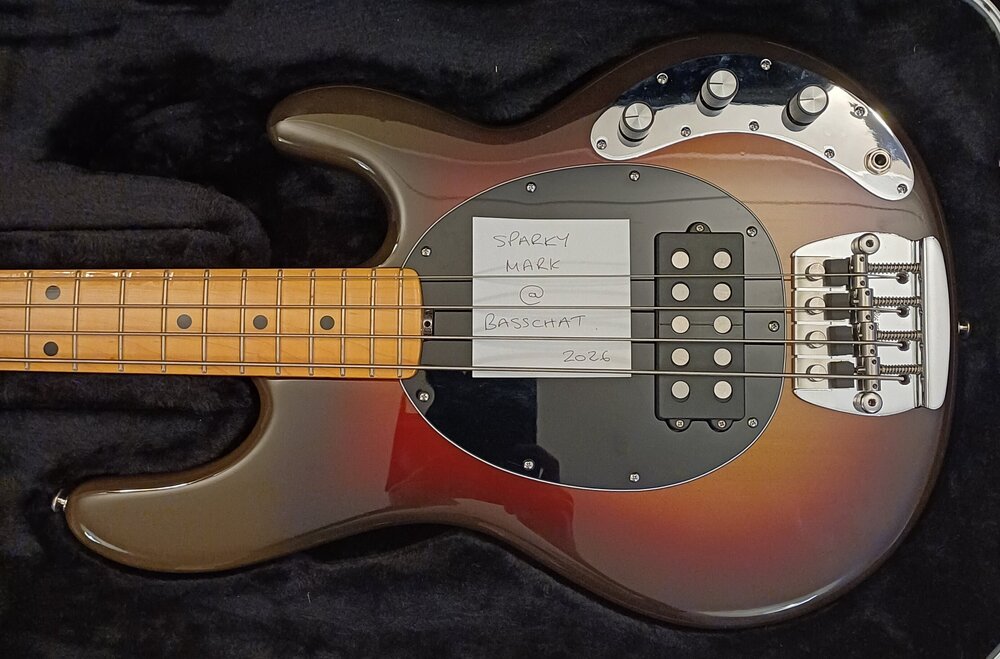
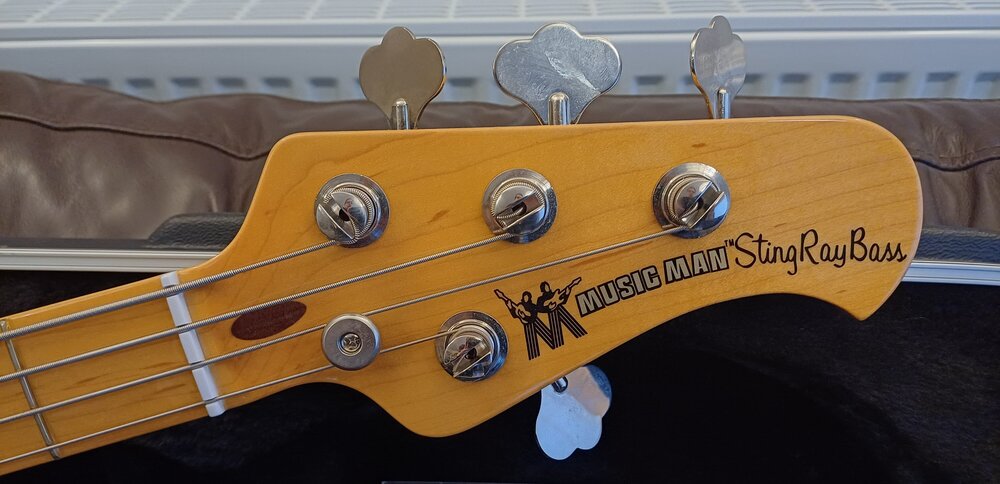
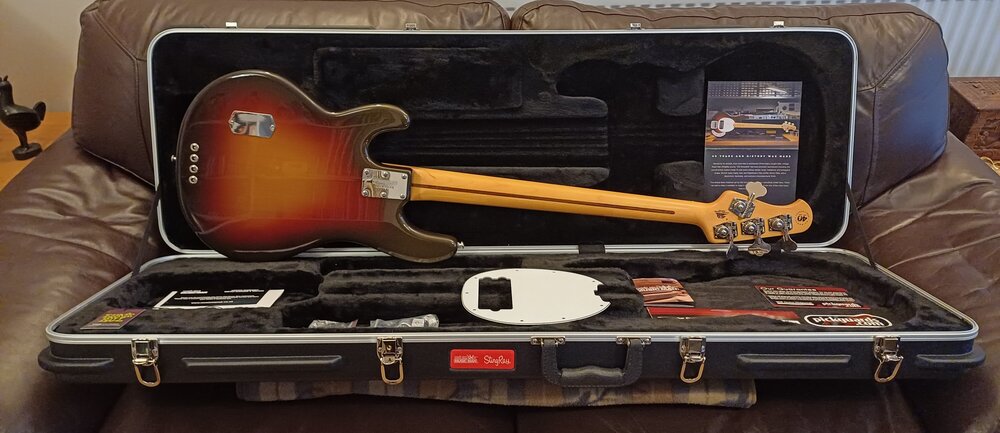
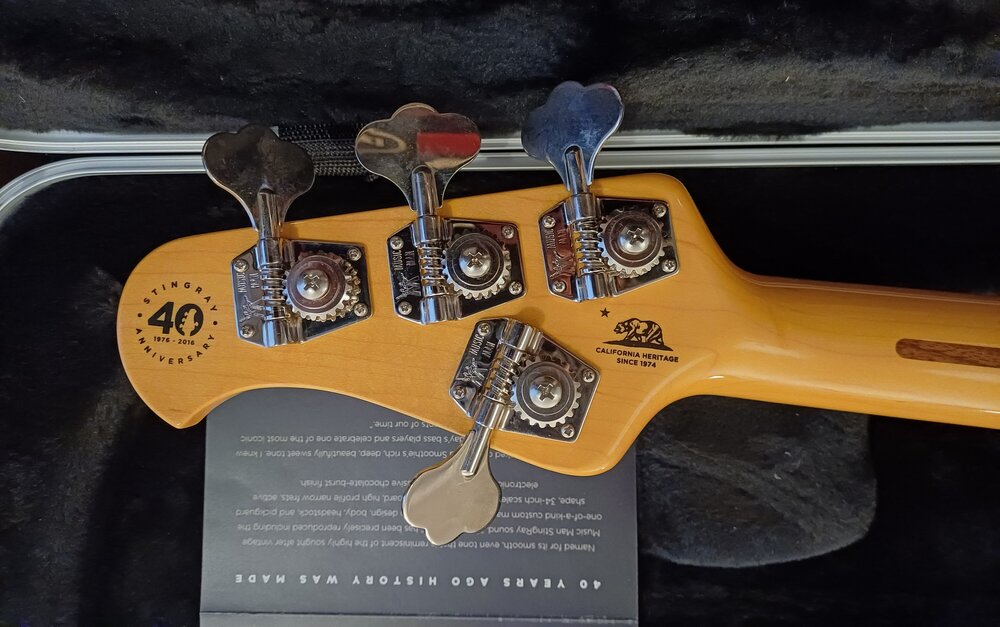
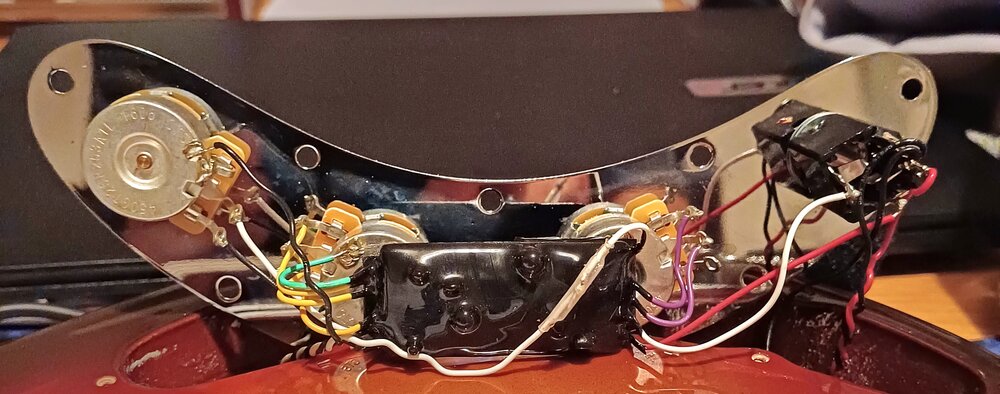
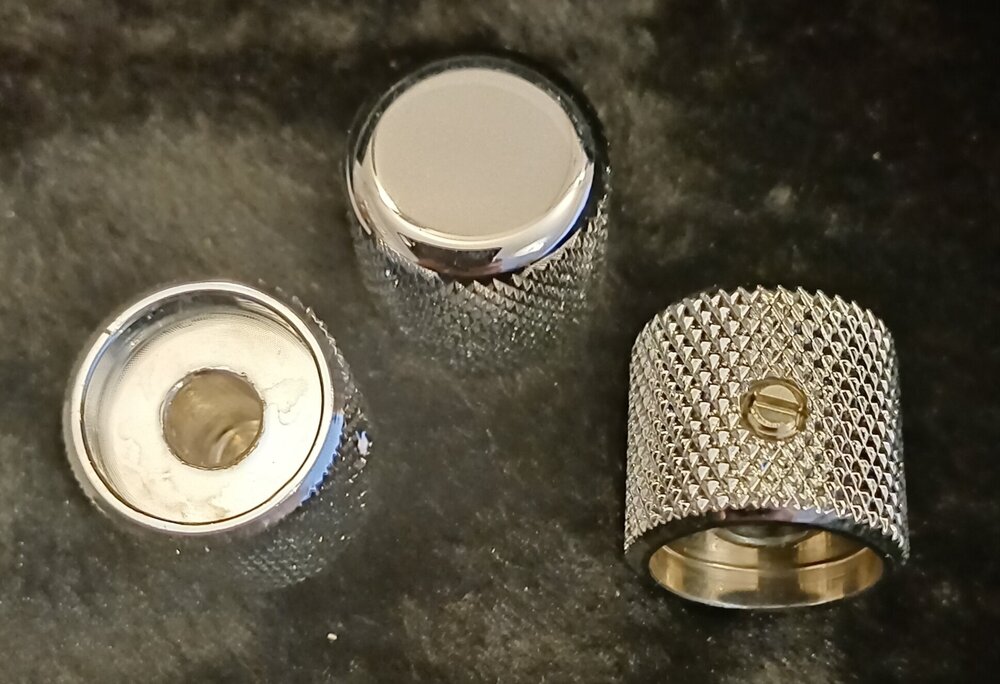
2016 Music Man 40th Anniversary "Old Smoothie" StingRay in as new condition with original case (and keys), literature, '76 retro "radio" control knobs fitted (original chromes included) and black (BWB) USA pickguard fitted with white (WBW) original pickguard included.
Weight: 4.3kg.
Price is £2,750 or near offer collected from Bury St Edmunds or localish meet up. Thanks for looking.
Specifications:-
Body Wood: Alder.
Body Finish: High gloss polyester.
Body Colour: Chocolate Burst.
Bridge Music Man® chrome plated, hardened steel bridge plate with vintage stainless steel saddles and adjustable mute pads.
Scale Length 34" (86.4 cm).
Neck Radius 7.5" (19.1 cm).
Frets 21 - Low profile, narrow width
Neck Width 1-11/16" (42.86 mm) at nut 2-1/2" (63.5 mm) at last fret.
Neck Wood Select maple neck.
Fingerboard Select maple.
Neck Finish High gloss polyester.
Neck Colour Natural aged light yellow finish.
Tuning Machines Schaller BM, with tapered string posts.
Neck Attachment 6 bolt neck plate.
Controls Custom "Old Smoothie" 2-band active preamp; vol, treble, bass.
Pickups Custom "Old Smoothie" humbucking with 10 elongated Alnico magnets and split cover.
Link to Sterling Ball discussing the history of this bass:-
https://youtu.be/R2ZRWzEBIzE?si=oOXpMI5eOvJreWeB
Links to Joe Dart and another bassist playing one:-
https://youtu.be/bf7Nxbebdqw?si=D-BYLBgkp9pBs-IV
https://youtu.be/_xMjHweNO7s?si=OHHfddN2NhyuHDbp
-
11
-
-


Gibson Les Paul Standard 2011 Honeyburst - *WITHDRAWN*
in Accessories & Other Musically Related Items For Sale
Posted
Now you can afford my Telecaster!